Hiring Basement Waterproofing Contractors: Red Flags and Smart Questions
Reading time: 14 minutes
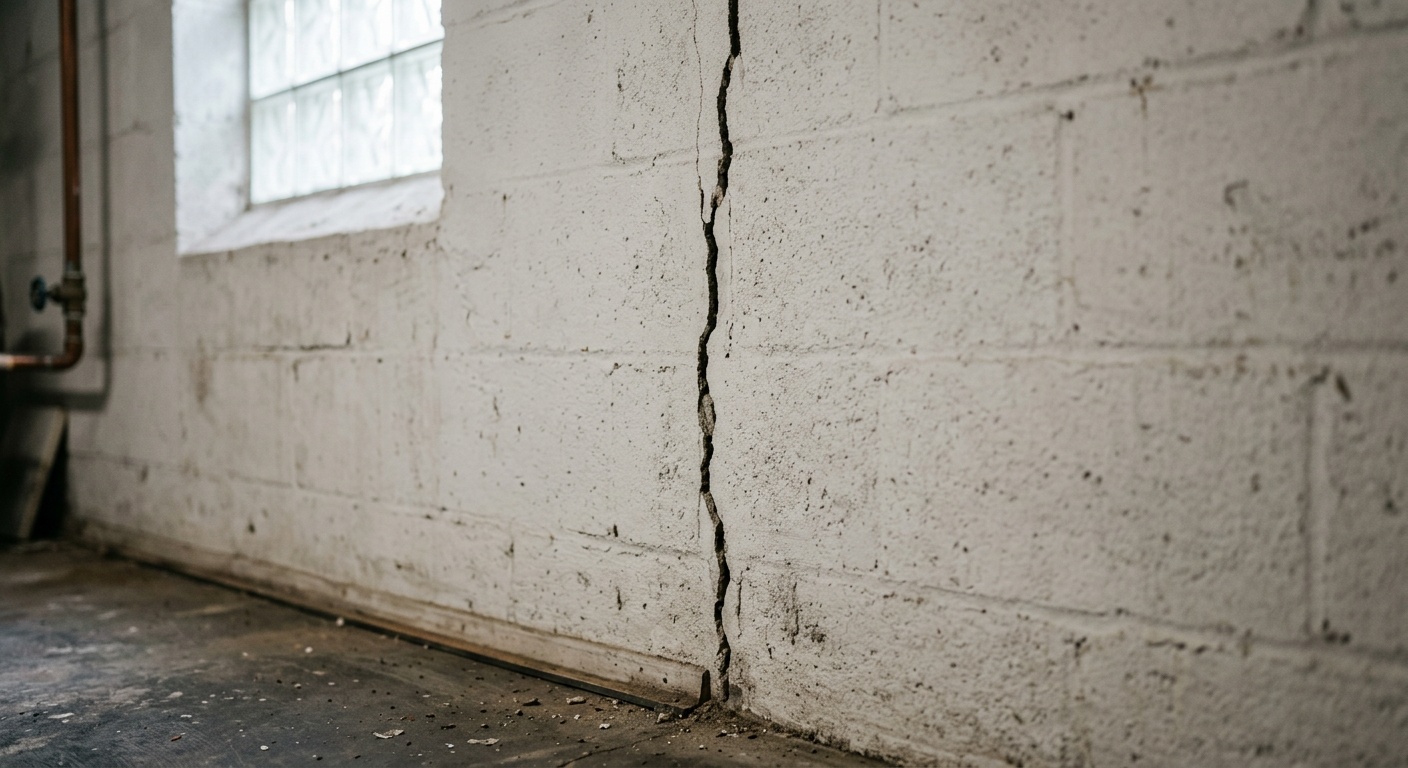
Picture this: It’s a rainy Tuesday morning in spring 2026, and you head downstairs to grab something from your basement storage — only to find your feet sinking into a sopping carpet. Water is seeping through the walls, your belongings are damaged, and the musty smell of mold is already creeping in. Sound familiar? You’re not alone. According to the American Society of Home Inspectors, over 60% of U.S. homes with basements experience some form of water intrusion — and that number has trended upward as extreme weather events become more frequent.
Now comes the harder part: finding a trustworthy contractor to fix it. The basement waterproofing industry, unfortunately, is rife with opportunistic contractors who prey on panicked homeowners. A 2025 report by the National Association of Home Builders (NAHB) revealed that waterproofing and foundation-related contractor fraud ranks among the top five home improvement scams reported annually. With average waterproofing projects in 2026 ranging from $3,000 to $15,000 — and complex jobs pushing $30,000 or more — the stakes couldn’t be higher.
Well, here’s the straight talk: hiring the right basement waterproofing contractor isn’t about luck — it’s about knowing what to look for, what to ask, and what red flags to run from. This guide is your strategic roadmap.
Table of Contents
- Why Choosing the Right Contractor Matters More Than Ever
- Critical Red Flags to Watch Out For
- Smart Questions Every Homeowner Should Ask
- Understanding Contractor Types and Methods
- Cost Breakdown: What’s Realistic in 2026
- Homeowner Satisfaction: What the Data Shows
- Contractor Vetting Comparison Table
- Frequently Asked Questions
- Your Dry Basement Action Plan: Next Steps
Why Choosing the Right Contractor Matters More Than Ever
Basement waterproofing isn’t a cosmetic upgrade — it’s a structural investment that directly impacts your home’s safety, air quality, and long-term value. In 2026, with rising material costs and an increasingly competitive labor market, the margin for error when hiring a contractor has never been slimmer.
Consider the case of Jennifer and Mark Calloway of Columbus, Ohio. In early 2025, they hired a contractor who knocked on their door the week after a major storm and offered a “special post-storm deal.” The contractor applied interior sealant paint — a band-aid solution — charged $4,800, and disappeared. By winter, the moisture had returned worse than before, the sealant had peeled, and mold colonies had formed behind their drywall. A legitimate contractor later diagnosed the real issue: a failed exterior drainage system that required a full perimeter drain installation. Total cost to fix both the original problem and the botched job? Over $18,000.
The Calloway story isn’t rare — it’s practically a template. Protecting yourself starts with understanding the landscape.
The 2026 Market Context
The basement waterproofing market in the U.S. is projected to reach $14.2 billion in 2026, according to industry analyst firm IBISWorld. This growth is driven by aging housing stock — over 40% of American homes were built before 1980 — combined with increased precipitation volatility in the Midwest and Northeast. More demand means more contractors entering the market, including many without proper training, licensing, or insurance.
Furthermore, supply chain stabilization after the disruptions of 2023–2024 means material pricing has normalized somewhat, but labor costs remain elevated. Legitimate contractors have absorbed these costs and price accordingly. Scammers often undercut legitimate quotes dramatically — which should itself be a warning sign.
Critical Red Flags to Watch Out For
Let’s get specific. These aren’t vague cautions — these are concrete behavioral and contractual warning signs that should immediately make you pump the brakes.
Red Flag #1: The Storm Chaser or Door-to-Door Solicitor
Legitimate waterproofing contractors build their business through referrals, established marketing, and repeat customers. When a contractor shows up unsolicited at your door — especially immediately after a flood, heavy rain, or severe weather event — treat it as a serious warning sign. These “storm chasers” are often fly-by-night operators who collect deposits and either do shoddy work or vanish entirely.
The rule of thumb: Reputable contractors rarely need to solicit door-to-door. If someone appears at your doorstep uninvited offering urgent deals, thank them politely and close the door.
Red Flag #2: Pressure Tactics and Artificial Urgency
Phrases like “This price is only good today,” “We have a cancellation in your neighborhood this week only,” or “If you don’t fix this now, your foundation will collapse” are classic manipulation tactics. Yes, water intrusion is serious — but a legitimate contractor will give you time to get multiple quotes and make an informed decision. Artificial urgency is designed to prevent you from doing exactly that.
Red Flag #3: No License, Insurance, or Physical Address
This one seems obvious, but homeowners skip this verification step with alarming frequency. In 2026, every legitimate contractor operating in a licensed state should be able to provide:
- A current contractor’s license number (verifiable through your state’s licensing board)
- General liability insurance (minimum $1 million is industry standard)
- Workers’ compensation insurance (protects you if a worker is injured on your property)
- A verifiable physical business address — not just a P.O. box or cell phone number
Ask for certificates of insurance directly from the insurer, not photocopies the contractor provides. A quick call to the insurance company confirms active coverage.
Red Flag #4: Vague or Verbal-Only Contracts
Any contractor who balks at putting everything in writing is a contractor to avoid, full stop. Your contract should specify the exact scope of work, materials to be used (including brand names and specifications), timeline, payment schedule, warranty terms, and cleanup responsibilities. “We’ll take care of it” is not a contract — it’s a promise with no legal weight.
Red Flag #5: Unusually Large Upfront Deposits
While it’s standard practice for contractors to require a deposit — typically 10–30% of the total project cost — any demand for 50% or more upfront is a serious red flag. Some fraudulent contractors request full payment before starting, then disappear or deliver minimal work. In 2026, many states have enacted regulations capping upfront deposits for home improvement contracts — check your local regulations and never pay the full amount until the job is complete and inspected.
Red Flag #6: No References or Unverifiable Reviews
A contractor who’s been in business for any meaningful length of time will have references. If they can’t provide at least three local references from completed waterproofing jobs — not just general contracting work — be very cautious. Similarly, check reviews on Google, the Better Business Bureau, and platforms like Angi or HomeAdvisor, but look for patterns rather than individual reviews. Clusters of five-star reviews posted within a short time frame can indicate manufactured reviews.
Red Flag #7: Recommending Only Interior Solutions for Exterior Problems
This is a subtler but critically important red flag that requires some technical understanding. Interior waterproofing solutions — drainage channels, sump pumps, interior sealants — manage water that has already entered. They are appropriate for certain situations but do not address water intrusion that originates from exterior foundation cracks, poor grading, or failed waterproof membranes. A contractor who only recommends interior solutions without even assessing exterior conditions may be prioritizing what’s cheaper and faster for them over what’s actually best for your home.
Smart Questions Every Homeowner Should Ask
Going into contractor meetings armed with the right questions transforms the dynamic. You’re no longer a passive recipient of a sales pitch — you’re a discerning client conducting due diligence. Here’s your question arsenal:
Questions About Credentials and Experience
- “Can you provide your contractor’s license number and insurance certificates?” — Any hesitation here is an automatic disqualifier.
- “How long have you specifically been doing basement waterproofing — not just general contracting?” — Waterproofing is a specialized trade. Five years of general contracting doesn’t equal five years of waterproofing expertise.
- “Are you a member of any industry associations?” — Organizations like the Basement Health Association (BHA) or the National Waterproofing and Structural Repair Association have membership standards that lend credibility.
- “Can I speak with three recent customers who had similar work done?” — Ask for references from jobs completed within the past 12–18 months and actually call them.
Questions About Diagnosis and Methodology
- “What is causing my specific water problem — and how did you diagnose that?” — A good contractor should be able to explain whether the issue is hydrostatic pressure, surface water intrusion, condensation, or foundation cracks — and show you the evidence.
- “What are the pros and cons of the solution you’re recommending versus alternatives?” — A trustworthy contractor will explain trade-offs. If they only present one option with zero discussion of alternatives, push back.
- “Will you be doing the work yourself, or subcontracting it?” — Subcontracting isn’t inherently bad, but you need to know who will actually be in your home and whether subcontractors are licensed and insured.
- “What does your warranty cover — and is it transferable if I sell my home?” — A transferable warranty significantly increases home resale value and indicates contractor confidence in their work.
Questions About the Contract and Financials
- “What exactly is included in this quote — materials, labor, disposal, permits?” — Hidden costs are a common contractor tactic. Get itemized quotes.
- “What permits are required for this work, and who pulls them?” — Waterproofing that involves structural modifications typically requires permits. A contractor who discourages permits (“it just adds cost and time”) is cutting corners and potentially leaving you with unpermitted work that complicates future home sales.
- “What happens if additional issues are discovered mid-project?” — Get a clear process for change orders in writing before work begins.
Understanding Contractor Types and Methods
Not all basement waterproofing contractors are the same, and understanding the difference between their specializations helps you hire the right professional for your specific problem.
Specialty Waterproofing Companies focus exclusively on moisture control and foundation issues. They typically have the deepest expertise in diagnosing complex water intrusion problems and offer comprehensive interior and exterior solutions. Companies like Ohio-based Basement Systems franchises or regional specialists typically fall into this category.
General Foundation Repair Contractors handle a broader range of foundation issues including cracks, settling, and bowing walls — often in conjunction with waterproofing. They’re ideal when water problems are secondary to structural concerns.
General Contractors with Waterproofing Services offer waterproofing as one of many services. Appropriate for minor issues or when waterproofing is part of a larger renovation, but may lack the depth of expertise for serious moisture problems.
The primary waterproofing methods you’ll encounter include interior drainage systems (French drains, sump pump installations), exterior waterproofing (excavation, membrane application, drainage board installation), crack injection (epoxy or polyurethane for active cracks), and surface waterproofing (coatings and sealants for minor seepage). The right method depends entirely on your home’s specific situation — not what’s cheapest or fastest for the contractor.
Cost Breakdown: What’s Realistic in 2026
One of the most effective ways to spot a scam — or avoid overpaying — is knowing what legitimate work actually costs. Here are realistic 2026 cost ranges based on regional contractor pricing data:
- Interior drainage system (full perimeter): $6,000–$12,000 for an average 1,200 sq ft basement
- Sump pump installation: $800–$2,500 (including battery backup)
- Exterior waterproofing (full excavation): $10,000–$30,000+ depending on depth and square footage
- Crack injection (per crack): $400–$800 per structural crack
- Interior sealant/coating application: $1,500–$4,000 (note: appropriate only for minor condensation, not active seepage)
- Window well installation: $500–$2,500 per well
Pro Tip: If a quote comes in more than 30–40% below the average for your area, that’s not a bargain — it’s a warning sign. Quality materials and skilled labor have real costs. An absurdly low quote either means inferior materials, unlicensed labor, or incomplete scope of work.
Homeowner Satisfaction: What the Data Shows
The following chart illustrates homeowner satisfaction rates based on how thoroughly they vetted their waterproofing contractor before hiring, according to a 2025 consumer survey by HomeAdvisor Research Group.
Homeowner Satisfaction Rate by Vetting Thoroughness
Source: HomeAdvisor Research Group Consumer Survey, 2025 (n=2,340 homeowners)
The data speaks clearly: the more rigorously you vet a contractor, the dramatically better your outcome. Homeowners who hired door-to-door solicitors with no vetting reported satisfaction rates of just 22% — meaning nearly four out of five were disappointed with the outcome. Conversely, those who checked credentials thoroughly and insisted on written contracts reported 91% satisfaction.
Contractor Vetting Comparison Table
| Vetting Criterion | Reputable Contractor | Questionable Contractor | Your Action |
|---|---|---|---|
| Licensing | Provides license number readily; verifiable online | Vague or refuses; says “not required in this state” | Verify independently via state licensing board website |
| Insurance | Provides certificates; insurer contact available | Shows photocopies; hesitates on direct insurer contact | Call insurer directly to confirm active policies |
| Written Contract | Detailed scope, materials, timeline, warranty, payment schedule | Vague one-page form; verbal assurances only | Refuse to proceed without itemized written contract |
| Warranty | 5–25 year transferable warranty in writing | Verbal warranty only; no transferability mentioned | Require warranty in writing with specific coverage terms |
| Deposit Request | 10–30% upfront; balance on completion | 50%+ or full payment demanded before start | Never pay more than 30% upfront; withhold final payment until satisfied |
Frequently Asked Questions
How many quotes should I get before hiring a basement waterproofing contractor?
The industry standard recommendation — and smart consumer practice — is to obtain a minimum of three written quotes from different contractors before making a decision. This gives you a realistic sense of market pricing in your area, exposes you to different diagnostic opinions, and prevents you from accepting an inflated or artificially low bid. Don’t simply choose the lowest quote; evaluate each bid based on scope, materials specified, warranty offered, and contractor credentials. A 2025 NAHB survey found that homeowners who got three or more quotes reported 35% fewer disputes and were significantly more satisfied with their final outcomes than those who hired the first contractor they contacted.
Is basement waterproofing a DIY project, or do I always need a professional?
For truly minor issues — small hairline cracks in poured concrete walls, mild condensation, or simple window well drainage — DIY solutions like hydraulic cement, waterproofing paint, or improved guttering can be appropriate first steps. However, for any persistent water intrusion, significant cracks, hydrostatic pressure problems, or issues affecting your foundation’s structural integrity, professional intervention is essential. Improper DIY waterproofing can actually worsen moisture problems by trapping water or masking symptoms that worsen over time. The cost of fixing a botched DIY job — or a job done by an unqualified contractor — consistently exceeds the cost of hiring a qualified professional from the outset. If in doubt, consult a structural engineer for an independent assessment before deciding on a course of action.
What should a basement waterproofing warranty realistically cover, and for how long?
A comprehensive warranty from a reputable waterproofing contractor should cover both labor and materials against defects and failure for a meaningful period. For interior drainage systems and sump pump installations, warranties typically range from 10 to 25 years. For exterior waterproofing membranes, 10 years is standard. Crucially, look for warranties that are transferable to subsequent owners — this protects your home’s resale value and signals contractor confidence. Be wary of warranties that exclude “acts of God” so broadly that virtually any water event is excluded, or those that require annual paid maintenance visits to remain valid. Always read the full warranty document before signing the contract, and clarify any ambiguous exclusions in writing.
Your Dry Basement Action Plan: Next Steps
In a market crowded with contractors ranging from excellent to genuinely predatory, the homeowners who protect their investment are the ones who approach the hiring process systematically rather than reactively. Here’s your concrete action plan:
- Step 1 — Diagnose before you call: Document your water problem thoroughly. Note where water appears, when it occurs (heavy rain? always? seasonal?), and take photographs. This documentation helps legitimate contractors make better diagnoses and protects you if disputes arise later.
- Step 2 — Research before you meet: Look up state licensing requirements for contractors in your area. Identify 4–5 candidates through referrals from neighbors, real estate agents, or verified review platforms. Pre-screen by checking BBB ratings and license status before any in-person meetings.
- Step 3 — Conduct structured interviews: Use the smart questions from this guide. Meet with at least three contractors and compare their diagnoses — if they disagree significantly, that’s a signal you need to understand the reason why.
- Step 4 — Verify everything independently: Call insurance companies. Call references. Check online reviews across multiple platforms. This step takes a few hours and can save you thousands of dollars.
- Step 5 — Negotiate a detailed contract: Don’t sign anything vague. Ensure scope, materials, timeline, warranty, and payment terms are all explicitly documented before a single shovel hits the ground.
As climate patterns continue driving more intense precipitation events across North America through the late 2020s, basement waterproofing isn’t a one-time fix — it’s an ongoing home health consideration. The contractors you build relationships with now may be partners you return to for maintenance, upgrades, and reassessment as your home ages.
Here’s the question worth sitting with: How much is peace of mind — knowing your home’s foundation is protected by qualified hands — actually worth to you? If the answer is “a lot,” then investing the time to hire right is the smartest financial decision you’ll make this year. Your basement is waiting. Make it dry, and make it last.
About the Author
