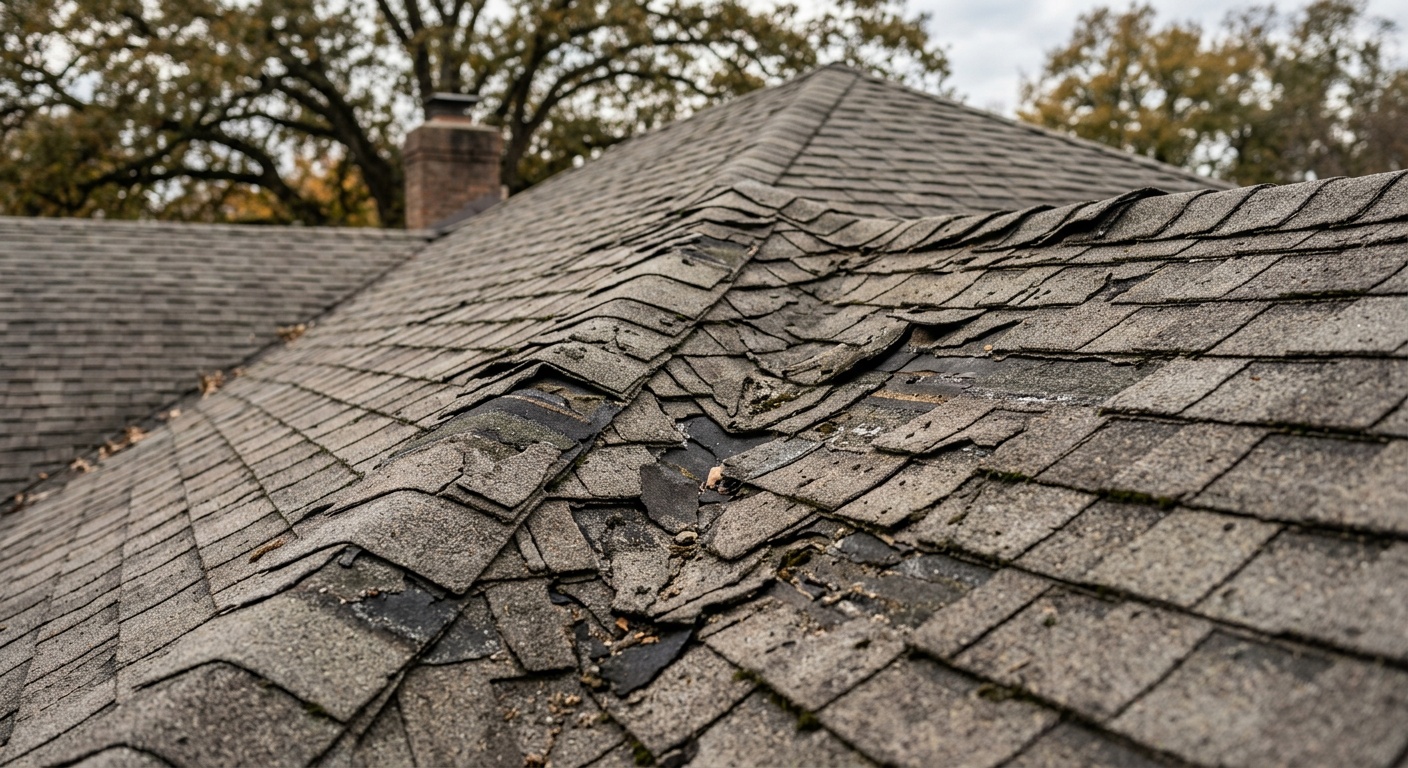
Roof Repair vs Replacement: What Your Build Consultant Should Tell You
Reading time: 12 minutes
You’ve just come down from the attic with a flashlight and a sinking feeling. There’s daylight poking through where it shouldn’t be, and the last storm left a suspicious damp patch on your ceiling. Now the question every homeowner dreads is sitting right in front of you: Do I repair this roof, or replace the whole thing?
Here’s the straight talk — this decision isn’t just about patching shingles or swapping them out. It’s a financial, structural, and strategic call that will affect your home’s value, safety, and energy efficiency for decades. And if your build consultant isn’t walking you through a precise, evidence-based assessment, you’re flying blind.
This guide will equip you with exactly what you need to know: the diagnostic framework professionals use, the cost-benefit math that actually matters in 2026, and the red flags that separate a quick fix from a full overhaul.
Table of Contents
- Why This Decision Is More Complex Than You Think
- The Build Consultant’s Diagnostic Framework
- When Repair Is the Right Call
- When Replacement Is Non-Negotiable
- The Real Cost Comparison: 2026 Data
- Roof Decision Factor Chart
- Real-World Case Studies
- Questions Every Homeowner Should Ask Their Consultant
- Frequently Asked Questions
- Your Roof, Your Decision: A Smart Action Roadmap
Why This Decision Is More Complex Than You Think
In 2026, roofing decisions carry more weight than ever before. Material costs have stabilized after the supply chain volatility of 2023–2025, but labour shortages in skilled trades continue to push installation costs upward. According to the National Roofing Contractors Association (NRCA) 2025 Industry Report, the average residential roof replacement in the United States now costs between $9,500 and $21,000 depending on material, roof size, and region — a 14% increase compared to 2023 figures.
Meanwhile, climate conditions are changing the equation. Extreme weather events — heavier precipitation cycles, stronger wind gusts, and more intense UV exposure — are shortening effective roof lifespans in many regions. What used to be a 25-year asphalt shingle roof in the Southeast United States is now averaging closer to 18–20 years of peak performance before significant degradation sets in.
Add to that the rise of smart home energy efficiency requirements, stricter building codes in many municipalities, and the growing importance of a well-documented roof condition report for home resale — and you’ve got a decision that demands strategic thinking, not a gut call.
“The worst thing a homeowner can do is treat a roof decision like a car oil change. It’s closer to deciding whether to rebuild an engine or buy a new vehicle. The numbers, the context, and the long-term plan all have to align.” — Sarah Kellerman, Certified Roofing Consultant, RCI Inc., 2025
The Build Consultant’s Diagnostic Framework
A qualified build consultant doesn’t just look at your roof from the curb. They operate through a structured evaluation process that considers both visible and hidden variables. Here’s the methodology your consultant should be applying before making any recommendation.
Step 1: Age and Material Assessment
Every roofing material has a rated lifespan, but that’s only the starting point. Your consultant should cross-reference the material type against its actual installation date, your local climate exposure, and any previous repair history. Here’s a quick benchmark:
- 3-tab asphalt shingles: 15–20 years rated lifespan
- Architectural (dimensional) shingles: 25–30 years
- Metal roofing (steel or aluminum): 40–70 years
- Tile (clay or concrete): 50+ years
- Flat/TPO membrane: 15–25 years depending on maintenance
- Synthetic slate: 40–50 years
If your roof is within the last 20–30% of its rated lifespan and showing signs of wear, that age data alone shifts the conversation significantly toward replacement. A roof at 85% of its functional life is a poor candidate for expensive repairs.
Step 2: Structural Integrity Inspection
This is where many homeowners — and unfortunately, some under-qualified contractors — miss the critical detail. Surface-level damage like missing shingles or granule loss is visible. But the real diagnostic work happens underneath: in the decking, the underlayment, the flashing, and the rafters.
Your consultant should be checking for:
- Deck integrity: Soft spots, rot, or warping in the plywood or OSB sheathing beneath the shingles
- Underlayment condition: Whether the waterproof membrane is still intact and adhered
- Flashing performance: Around chimneys, skylights, valleys, and pipe boots — these are the most common leak initiation points
- Ventilation adequacy: Poor ridge and soffit ventilation accelerates deterioration from the inside out
- Rafter and truss condition: Any signs of moisture damage, insect activity, or structural compromise
If deck damage or structural compromise is found across more than 30% of the roof area, replacement becomes the economically sound option even if the surface shingles look passable.
Step 3: Thermal and Moisture Mapping
In 2026, leading build consultants are increasingly using infrared thermal imaging as part of their standard assessment toolkit. Thermal cameras can detect moisture trapped within insulation layers and beneath decking that simply isn’t visible to the naked eye — even during a thorough manual inspection.
This technology, which has become significantly more accessible and affordable since 2023, can identify the true scope of water infiltration and help consultants make data-driven repair-vs-replace recommendations rather than educated guesses.
When Repair Is the Right Call
Repair is not a compromise — in the right circumstances, it’s the strategically superior choice. Here are the conditions where your build consultant should confidently recommend targeted repairs over full replacement:
- The roof is less than halfway through its expected lifespan. If you have a 30-year architectural shingle roof that’s 10 years old and sustained localized damage in a storm, repair is almost always the right move.
- Damage is isolated to a specific section. A single slope, a section around a chimney, or a small area around a skylight can typically be addressed with targeted repairs that cost a fraction of full replacement.
- The underlying structure is sound. No decking rot, no compromised underlayment, no ventilation issues — just surface-level damage.
- Flashing failures are the root cause. Improperly installed or deteriorated flashing is one of the most common leak culprits, and it’s a relatively inexpensive fix when caught early.
- You’re planning to sell within 2–3 years. If a strategic repair can get you to a sale event, it may be more financially efficient than absorbing a full replacement cost you won’t fully recoup in resale value.
The key principle here: repair extends useful life when the foundational systems are healthy. Think of it like replacing tyres on a car with a solid engine. Perfectly sensible.
When Replacement Is Non-Negotiable
There are situations where continuing to repair is financially irrational — essentially throwing money at a system that’s already past its productive threshold. Your build consultant should be direct with you when these conditions are present:
- The roof is in the final 25% of its rated lifespan. Repairs now will be followed by more repairs, and full replacement will still be required within a few years anyway.
- Multiple layers of shingles are already present. Most building codes permit a maximum of two shingle layers. If your roof already has two layers, any future work legally requires a full tear-off and replacement.
- Widespread granule loss. When asphalt shingles lose their protective granule coating across large areas, they lose UV protection and waterproofing capacity rapidly. This is a systemic failure, not a patchable issue.
- Pervasive deck damage. If water infiltration has compromised the structural decking, the entire substrate must be replaced — which makes full replacement the logical step.
- Persistent leak issues despite multiple repairs. If you’ve repaired the same leak (or different leaks) more than twice in a five-year period, the system is failing comprehensively.
- Significant sagging or structural deformation. Visible sagging between rafters or along ridgelines indicates structural failure that goes beyond cosmetic repair.
- Energy efficiency goals require it. In 2026, many homeowners are coupling roof replacement with improved attic insulation, cool roof coatings, or solar integration. In these cases, the strategic timing of replacement makes clear financial sense.
The Real Cost Comparison: 2026 Data
Let’s talk numbers, because this is ultimately where decisions get made. Below is a meaningful comparison table using current 2026 market data for a typical 2,000 sq ft residential roof (mid-range home, standard pitch, US national averages).
| Factor | Targeted Repair | Partial Re-Roof | Full Replacement |
|---|---|---|---|
| Average Cost (2026) | $350 – $1,800 | $2,500 – $6,000 | $9,500 – $21,000 |
| Extended Lifespan | 1–5 years | 5–10 years | 20–50 years |
| Home Resale Value Impact | Minimal | Moderate (+2–4%) | Strong (+5–7%) |
| Disruption Level | Low (hours) | Moderate (1–2 days) | High (3–7 days) |
| Warranty Coverage | Limited/None | Partial (2–5 yrs) | Full manufacturer (15–50 yrs) |
Pro Tip: The resale value numbers above are particularly important in 2026’s real estate market. According to Remodeling Magazine’s 2025 Cost vs. Value Report, a full roof replacement using architectural asphalt shingles recoups approximately 67% of its cost in immediate home value increase — and the psychological value to buyers (removing a major negotiation point) often more than makes up for the remainder.
What’s Driving Your Roof’s Decline? Key Risk Factors
Understanding what’s actually degrading your roof helps prioritize your consultant’s assessment. Here’s a visual breakdown of the most common factors contributing to premature roof failure, based on NRCA claims data from 2024–2025:
Primary Causes of Premature Roof Failure (% of cases)
Source: NRCA Claims Data Compilation, 2024–2025. Percentages reflect residential claims filed across US markets.
The standout insight here: 43% of premature roof failures trace back to poor installation — not material quality, not weather. This is exactly why your choice of build consultant and contractor matters as much as the roofing material you select. A cheaper installation crew that cuts corners on flashing, underlayment overlap, or nail patterns is the single biggest risk factor you can control.
Real-World Case Studies
Case Study 1: The Frugal Fix That Cost Double
In early 2025, a homeowner in suburban Atlanta, Georgia was quoted $14,200 for a full roof replacement on their 22-year-old 3-tab shingle roof. Feeling the quote was excessive, they opted for a $1,400 “patch and seal” repair from a discount contractor who addressed only the visible leak areas around the chimney flashing and one valley section.
Within eight months, three new leaks had appeared — none in the previously repaired zones. A subsequent full inspection revealed that the underlayment had failed across approximately 60% of the roof surface, with trapped moisture having created rot in two sections of decking. The eventual full replacement, now requiring deck board replacement as well, came in at $17,800 — $3,600 more than the original quote, and $16,400 total when including the failed repair investment.
Lesson: A qualified build consultant’s initial assessment would have identified the systemic underlayment failure before the patchwork repair was attempted, saving the homeowner more than $16,000 in total expenditure.
Case Study 2: The Smart Repair That Made Financial Sense
Contrast that with a couple in Portland, Oregon who called in a certified build consultant in mid-2025 after noticing granule deposits in their gutters. Their 11-year-old architectural shingle roof had another 15+ years of productive life, but storm damage had displaced shingles across one north-facing slope and the flashing around a skylight had separated.
The consultant’s thermal imaging scan confirmed zero moisture infiltration in the decking or insulation. Damage was strictly surface-level and isolated to approximately 12% of the total roof area. The targeted repair — including re-flashing the skylight and replacing the damaged shingle section — came to $1,950 and came with a 3-year workmanship warranty.
The couple is now on a biennial inspection schedule, ensuring any future issues are caught early. They avoided a $13,000+ replacement cost on a roof with well over a decade of remaining service life.
Lesson: The same diagnostic rigour that prevents unnecessary repairs also prevents unnecessary replacements. A good consultant works in your interest, not toward the larger invoice.
Questions Every Homeowner Should Ask Their Consultant
You are the client. A qualified build consultant should welcome these questions — and if they can’t answer them clearly, that itself is important information.
- “What percentage of my roof area shows signs of active deterioration?” — This forces a scope-based answer rather than a blanket recommendation.
- “Are you using thermal imaging or moisture mapping in this assessment?” — In 2026, there’s no excuse for skipping this step on a comprehensive evaluation.
- “What’s the condition of my decking and underlayment specifically?” — If they can’t tell you, they haven’t looked properly.
- “What’s the projected lifespan of each option you’re recommending?” — Get this in writing.
- “Are there any building code or permit requirements I need to know about?” — In many jurisdictions, a full tear-off replacement requires permits that partial repairs do not. Your consultant should be across this.
- “Can you provide references for similar repair or replacement projects in this area?” — Local track record matters.
- “If I choose repair now, what’s the realistic timeline before I’ll need to replace?” — A good consultant will give you an honest cost-projection window, not just tell you what you want to hear.
Frequently Asked Questions
How do I know if my insurance will cover roof repair or replacement?
Whether your homeowner’s insurance covers roofing work depends heavily on the cause of damage. Sudden and accidental damage — such as storm impact, hail, or a fallen tree — is typically covered under standard policies, subject to your deductible. However, damage resulting from gradual deterioration, deferred maintenance, or age-related wear is almost universally excluded. In 2026, many insurers are also applying actual cash value (ACV) calculations rather than replacement cost value (RCV) to older roofs — meaning your payout reflects the depreciated value of the roof, not the full replacement cost. Always have your build consultant document damage causes clearly and photograph everything before any repair begins. A well-documented claim file significantly improves your outcome.
Is it worth upgrading roofing material when I do a full replacement?
In many cases, yes — and this is a conversation your build consultant should be proactively having with you. The cost differential between 3-tab asphalt shingles and architectural shingles, for example, is typically only $1,500–$3,000 on a standard home, yet architectural shingles offer a substantially longer lifespan, better wind resistance, and improved curb appeal. Similarly, metal roofing — while more expensive upfront — can last 40–70 years and dramatically reduce long-term maintenance costs. In 2026, the integration of solar-ready roofing systems and cool roof coatings are also worth evaluating during replacement, as federal energy efficiency incentives still make some of these upgrades financially attractive. The replacement event is your strategic opportunity to future-proof rather than simply restore.
What’s the difference between a build consultant and a roofing contractor — and why does it matter?
This distinction is critically important. A roofing contractor is primarily a tradesperson whose business model is built around performing roofing work. They have an inherent interest in recommending work, which doesn’t mean they’ll act unethically — but it’s a structural bias worth recognizing. A build consultant (or certified roofing consultant, CRC) is an independent professional whose role is assessment, specification, and project oversight — not installation. They typically work on a fee basis rather than through materials and labour markups, which aligns their incentives with giving you accurate, unbiased advice. For any roof decision involving significant expenditure or uncertainty, engaging an independent build consultant before inviting contractor quotes is a wise investment that typically costs $300–$800 but can save many thousands through better-informed decisions.
Your Roof, Your Decision: A Smart Action Roadmap
Here’s the reality in 2026: roofing decisions are more consequential than they were a generation ago. Material costs, climate pressures, energy performance expectations, and real estate market standards have all raised the stakes. But they’ve also raised the quality of information and diagnostic tools available to you as a homeowner — if you know how to access them.
Here’s your practical next-step roadmap:
- Schedule a professional assessment within 30 days if you’ve noticed any signs of roof distress — don’t wait for the next rainfall to confirm what you already suspect. Early intervention is almost always cheaper.
- Engage an independent build consultant first, before inviting roofing contractor quotes. Spend the $300–$800 for an unbiased assessment. It’s the cheapest insurance you can buy for this decision.
- Ask specifically for thermal imaging as part of the inspection. If your consultant doesn’t offer it, ask why. In 2026, it’s standard practice for any comprehensive assessment.
- Evaluate the full financial picture — not just today’s invoice. Factor in remaining lifespan, energy efficiency, resale implications, and the cumulative cost of repeated repairs when making your comparison.
- Get everything in writing — scope of work, material specifications, warranty terms, and projected lifespan. Verbal assurances are worthless when a leak appears in 18 months.
As climate patterns continue to shift and building performance standards evolve, your roof will increasingly be evaluated not just as a protective layer but as an integrated system affecting energy performance, structural resilience, and long-term asset value. The homeowners who treat roof decisions strategically — rather than reactively — consistently come out ahead financially.
The question worth sitting with: Is your current roof protecting your investment, or quietly becoming a liability? The only way to know for certain is to stop guessing and start assessing — with the right professional in your corner.
About the Author
