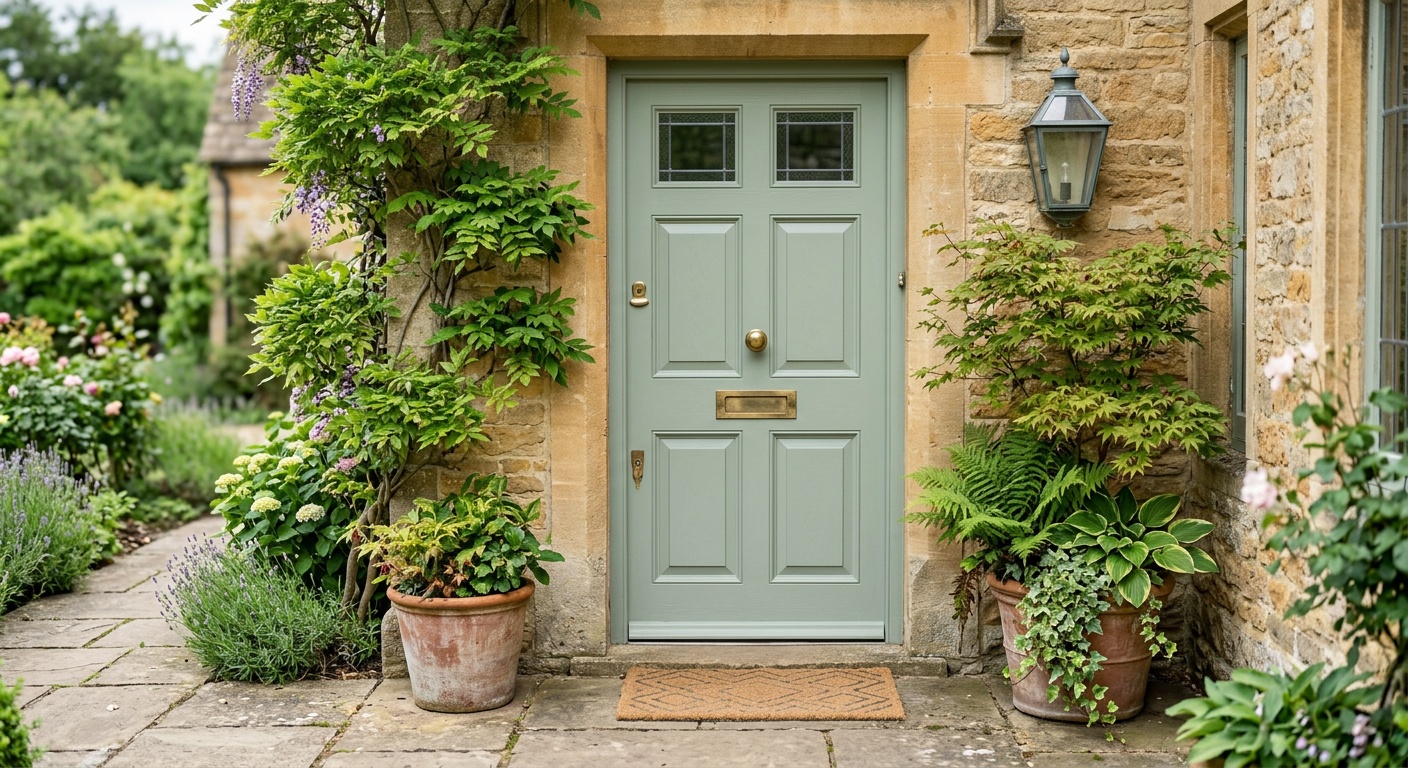
Front Entrance Renovation Ideas That Boost Curb Appeal and Value
Reading time: 12 minutes
Your front entrance is doing more work than you think. Before a potential buyer steps inside, before a guest forms their first impression, before even the real estate photographer adjusts their lens — your front entrance has already told a story. The question is: is it telling the right one?
In 2026, home renovation priorities have shifted significantly. Homeowners are no longer just fixing what’s broken — they’re strategically investing in upgrades that deliver measurable returns. And according to the National Association of Realtors’ 2025 Remodeling Impact Report, exterior improvements, particularly front entrance renovations, consistently rank among the top five highest return-on-investment (ROI) projects a homeowner can undertake.
Whether you’re preparing to sell in a competitive market, welcoming guests with more intention, or simply tired of coming home to a front door that feels like an afterthought — this guide is your practical roadmap to transformation.
Table of Contents
- Why Your Front Entrance Matters More Than Ever
- The Power of the Front Door: Materials, Colors, and Smart Options
- Strategic Lighting: Safety, Style, and Ambiance
- Landscaping and Hardscaping That Frame the Entry
- Hardware, House Numbers, and the Details That Matter
- Smart Entry Technology in 2026
- ROI Comparison: Which Upgrades Pay Off Most?
- Common Challenges and How to Overcome Them
- FAQs
- Your Curb Appeal Action Plan
Why Your Front Entrance Matters More Than Ever
Here’s a striking fact: research from Zillow’s 2025 Home Value Index found that homes with high curb appeal — defined largely by the quality and condition of the front entrance — sell for an average of 7% more than comparable homes with poor exterior presentation. On a $450,000 home, that’s $31,500 in added value from visual improvements alone.
But it’s not just about selling. In 2026, the concept of the front entrance has evolved. With more people working remotely and treating their homes as multi-functional spaces, the entrance has become a statement of identity. It’s the first decompression zone after a long day. It’s the handshake your home extends to the neighborhood.
Think of it this way: your front entrance is your home’s LinkedIn profile picture. People make snap judgments, and those judgments stick. The good news? Strategic renovations don’t have to cost a fortune to make a dramatic difference.
“The front door is the face of the house. Get that right, and everything else starts to fall into place.” — Joanna Gaines, designer and co-founder of Magnolia
The Power of the Front Door: Materials, Colors, and Smart Options
Choosing the Right Door Material
The front door is the undisputed centerpiece of any entrance renovation. But with so many materials available in 2026 — fiberglass, steel, solid wood, and composite — choosing the right one requires balancing aesthetics, durability, energy efficiency, and budget.
- Fiberglass doors continue to dominate in 2026, offering excellent insulation, low maintenance, and realistic wood-grain textures that fool even close-up inspectors. Average cost: $1,500–$4,000 installed.
- Steel doors offer top-tier security and energy efficiency at a lower price point ($800–$2,500), though they can dent and may rust in coastal climates.
- Solid wood doors remain the gold standard for high-end aesthetics. They require annual maintenance (sealing or painting) and can warp in extreme climates, but nothing else matches their warmth and presence. Cost: $2,000–$6,500+.
- Composite doors, a newer hybrid option, combine wood’s aesthetic with fiberglass durability. These have surged in popularity in 2025–2026, especially in the Pacific Northwest and coastal Northeast markets.
Pro Tip: Before choosing your door, check your home’s architectural style. A sleek black steel door looks stunning on a modern farmhouse but can feel jarring on a Victorian cottage. Coherence is everything.
Color Psychology and Current Trends
If you’ve been following home design trends closely, you already know that front door color choices in 2026 have taken a bold turn. The era of the plain white or beige door is officially over.
According to the Benjamin Moore 2026 Color Trends Report, the top front door colors this year include:
- Warm terracotta and clay tones — reflecting the broader biophilic design movement
- Deep forest green — a perennial crowd-pleaser that photographs beautifully
- Slate blue and navy — offering sophistication without the starkness of black
- Matte black — still strong for modern and contemporary homes
- Rich burgundy and wine — a newer entry with growing traction in 2026
Color psychology matters here. Green signals growth, stability, and harmony with nature. Navy and black project confidence and sophistication. Terracotta evokes warmth and welcome. Choose the emotion you want visitors to feel before they even knock.
Case Study: A Chicago homeowner in the Lincoln Park neighborhood repainted her classic brick home’s door from beige to deep hunter green in late 2024. Combined with updated brass hardware, her home sold in 2025 for $22,000 over asking price. Her real estate agent attributed a significant portion of the bidding war to the entrance’s strong first impression.
Strategic Lighting: Safety, Style, and Ambiance
Lighting is the renovation element most homeowners get wrong — and it’s also one of the easiest to get right. Poor entrance lighting doesn’t just look uninviting; it creates genuine safety concerns and can deter buyers who drive by at night.
Layering Your Entrance Lighting
The best front entrances in 2026 use a three-layer lighting approach:
- Architectural lighting — Flush or semi-flush wall sconces flanking the door, scaled appropriately to the door’s height. A common mistake is choosing fixtures that are too small. As a rule of thumb, your sconces should be roughly one-quarter to one-third the height of your door.
- Pathway and step lighting — Low-voltage LED path lights that guide visitors safely from the street to your door. Solar-powered options have dramatically improved by 2026, with many models now offering dusk-to-dawn sensors and warm 2700K color temperatures.
- Accent or uplighting — Ground-level spotlights aimed at architectural features (columns, a beautiful tree, ornamental grasses) add drama and depth after dark.
Smart lighting integration has become nearly standard in 2026 renovations. Systems like Philips Hue Outdoor, Lutron Caseta, and Ring’s latest Smart Lighting series allow homeowners to control color temperature, brightness, and scheduling from a smartphone app — or set them to respond automatically to motion or time of day.
The energy argument for LED lighting is now overwhelming: LED outdoor fixtures use up to 75% less energy than traditional incandescent options and last 15–25 times longer, according to the U.S. Department of Energy’s 2025 annual report.
Landscaping and Hardscaping That Frame the Entry
A stunning front door surrounded by an overgrown, neglected landscape is like wearing a designer suit with muddy boots. Landscaping and hardscaping frame your entrance and complete the visual story.
Plants and Greenery Strategies
In 2026, the landscaping philosophy around front entrances has moved away from high-maintenance formal gardens toward curated, low-maintenance plantings that look intentional year-round. Key principles include:
- Symmetry suggests formality — identical planters or topiaries flanking a door signal order and elegance. Works beautifully on colonial, craftsman, and traditional homes.
- Asymmetry suggests creativity — layered, mixed plantings of varying heights create a more relaxed, naturalistic feel suited to cottage, farmhouse, or contemporary styles.
- Evergreen anchors — dwarf boxwoods, ornamental grasses, and Japanese hollies provide structure throughout the year, including winter months when flowering plants disappear.
- Seasonal color — rotating potted arrangements in planters beside the door (tulips in spring, petunias in summer, mums in fall, evergreen boughs in winter) keep the entrance looking fresh and tended.
Case Study: A Seattle couple renovating a 1970s ranch home invested $3,200 in front entrance landscaping in 2025: new pathway stones, two large ceramic planters, ornamental grasses, and a simple boxwood hedge. Their appraised home value increased by an estimated $8,500 — a 2.6x return on their landscaping investment alone.
Walkways and Pathways
The walkway isn’t just functional — it’s the red carpet of your home. Material choices carry significant aesthetic weight:
- Poured concrete — clean, modern, and low cost, but requires sealing to prevent cracking
- Brick pavers — timeless and classic, with excellent resale appeal in traditional neighborhoods
- Natural stone (bluestone, flagstone) — premium look with premium pricing ($15–$30 per square foot installed)
- Stamped concrete — affordable alternative to pavers that mimics stone or brick patterns convincingly
- Gravel with stepping stones — increasingly popular in 2025–2026 for cottage and farmhouse aesthetics; excellent drainage properties
Width matters too. A pathway narrower than 36 inches feels like a hiking trail. Aim for 48 inches minimum, with 60 inches being the ideal for comfortable two-person passage.
Hardware, House Numbers, and the Details That Matter
Here’s a truth that experienced renovators know: the difference between a good entrance and a great one often comes down to the small stuff. Hardware, house numbers, a mailbox, a doormat — these micro-decisions collectively signal whether a homeowner sweats the details.
- Door hardware: In 2026, matte black, brushed brass, and satin nickel finishes dominate. Mix metals thoughtfully — pairing a matte black door handle with brushed brass house numbers and a matching kickplate creates intentional contrast without visual chaos.
- House numbers: Oversized house numbers (4–6 inches tall) in a clean, modern font have been trending since 2024 and remain strong in 2026. Beyond aesthetics, larger numbers help delivery drivers and emergency services locate your home faster.
- Doorbells: The video doorbell is now essentially standard. Ring, Google Nest, and Arlo’s 2026 models offer 4K video, two-way audio, and package detection. A visible, quality video doorbell communicates security-consciousness.
- Doormats: A worn, faded doormat undercuts every other improvement you make. A quality natural coir mat ($40–$80) lasts 2–3 years and communicates that you care about the whole picture.
- Mailbox: If your mailbox is a dented aluminum box from 2008, it’s time. Matching your mailbox finish to your door hardware ties the entire entry composition together.
Smart Entry Technology in 2026
The front entrance has become a technological hub in modern homes. In 2026, smart entry features aren’t just conveniences — they’re value-adding features that resonate strongly with buyers, particularly millennial and Gen Z homebuyers who now represent the largest purchasing demographic in the market.
Key smart entry technologies trending in 2026 include:
- Smart locks with biometric access — fingerprint and facial recognition locks from brands like Schlage and Yale have become mainstream, replacing keypad-only models. These integrate with home automation hubs (Apple HomeKit, Amazon Alexa, Google Home) for seamless control.
- AI-powered video doorbells — capable of distinguishing between people, animals, packages, and vehicles, and sending customized alerts accordingly.
- Automated outdoor lighting — geo-fencing technology that turns on pathway lights as you approach home is now available in mid-range systems priced under $300.
- Smart irrigation for entry landscaping — systems like Rachio and RainBird’s 2025–2026 models adjust watering schedules based on hyperlocal weather data, keeping entry plantings looking their best without waste or overwatering.
“Smart home features at the entry point have moved from luxury add-ons to baseline buyer expectations in most metro markets.” — Lawrence Yun, Chief Economist, National Association of Realtors, 2025 Housing Survey
ROI Comparison: Which Upgrades Pay Off Most?
Not all entrance renovations are created equal from a financial perspective. Here’s how common projects compare based on 2025–2026 market data from the Remodeling Magazine Cost vs. Value Report and Zillow’s renovation impact studies:
| Renovation Project | Avg. Cost (2026) | Avg. Value Added | Estimated ROI | Difficulty |
|---|---|---|---|---|
| New Steel Entry Door | $1,200–$2,500 | $1,800–$3,500 | ~188% | Low–Medium |
| Door Repaint + New Hardware | $300–$700 | $1,000–$2,000 | ~200%+ | Very Low |
| Front Landscaping Overhaul | $2,500–$6,000 | $4,000–$10,000 | ~150% | Medium |
| New Pathway/Walkway | $1,800–$5,000 | $2,500–$6,500 | ~130% | Medium–High |
| Smart Entry System (lock + doorbell + lights) | $500–$1,500 | $1,200–$3,000 | ~140% | Low |
Key Insight: The highest ROI projects are consistently the lowest-cost ones — door repainting and hardware replacement. This is the classic “lipstick on a lion” principle: sometimes the most impactful change is a fresh coat of the right color.
Visual ROI Comparison
Estimated ROI by Entrance Renovation Project (2026)
Common Challenges and How to Overcome Them
Challenge 1: Working Within HOA Restrictions
Homeowners associations can be the biggest friction point in any exterior renovation. In 2026, approximately 30% of U.S. homeowners live in HOA-governed communities, according to the Community Associations Institute — and front entrance changes almost always require approval.
How to navigate it: Request your HOA’s architectural guidelines document before spending a dollar. Most HOAs have pre-approved color palettes and material lists. Work within these parameters first, then submit a formal variance request if you want to go outside approved options. Come prepared with photos, product specs, and a written rationale. Approval rates improve dramatically when you demonstrate that your plan aligns with neighborhood aesthetics.
Challenge 2: Budget Constraints
Not everyone has $10,000+ to pour into a front entrance renovation. The good news: the highest-ROI improvements are also the most affordable.
Phased renovation approach:
- Phase 1 ($200–$700): Repaint the door, replace hardware, add new house numbers, fresh doormat.
- Phase 2 ($500–$1,500): Update lighting fixtures, add potted plants or window boxes, power-wash the walkway.
- Phase 3 ($2,000+): New door, landscaping overhaul, pathway replacement, smart entry system.
Even Phase 1 alone can dramatically transform curb appeal. Don’t wait until you can do everything perfectly — start with what you can do now.
Challenge 3: Climatic and Architectural Mismatch
A renovation choice that looks stunning in a Southern California design magazine might be completely inappropriate for a Minnesota home that endures -20°F winters. Similarly, a sleek ultramodern door might look absurd on a 200-year-old New England colonial.
Solutions:
- Always research material durability ratings for your specific climate zone (USDA Hardiness Zones are a useful reference for plant choices; door manufacturer climate ratings apply similarly).
- Use Google Street View or neighborhood walking to study architectural language in your area before committing to a style direction.
- Consult with a local architect or interior designer — even a one-hour paid consultation ($100–$200) can prevent costly aesthetic mistakes.
Frequently Asked Questions
How much does a front entrance renovation typically cost in 2026?
Costs vary widely based on the scope of work. Budget-conscious updates — repainting the door, replacing hardware, adding new lighting and potted plants — can be accomplished for $300–$800. Mid-range renovations that include a new door, pathway improvements, and updated landscaping typically run $5,000–$12,000. Full-scale transformations with premium materials, professional landscaping, and comprehensive smart home integration can reach $20,000–$35,000 in higher-cost markets. The smart approach is to start with high-ROI, lower-cost changes and layer in more significant investments over time.
Which front door color adds the most value to a home?
According to Zillow’s 2025 paint color analysis, homes with black or charcoal front doors sold for up to $6,271 more on average than expected. However, in 2026, warm tones like deep green and terracotta have surged in perceived value, particularly in suburban and lifestyle-oriented markets. The honest answer: color impact depends heavily on your home’s style, the neighborhood aesthetic, and complementary exterior colors. A forest green door on a brick colonial can be just as impactful as a black door on a modern home. Focus on coherence over trend-chasing.
Is it worth hiring a professional for entrance renovation, or can I DIY?
It depends on the specific project. Repainting a door, replacing hardware, and installing path lighting are all excellent DIY projects that require only moderate skill and basic tools. Door installation, significant hardscaping (new walkways, steps), and electrical work for new lighting fixtures are best left to licensed professionals — not just for quality reasons, but for safety and permit compliance. In 2026, many municipalities require permits for door replacements, electrical upgrades, and structural hardscape changes. Check local requirements before you begin. The middle ground: hire a professional designer for the planning phase, then self-manage the easier installations to control costs.
Your Curb Appeal Action Plan: Transform Your Entrance in 30 Days
Here’s the straight talk: you don’t need months of planning or a six-figure renovation budget to create an entrance that stops people in their tracks. What you need is a clear sequence and the willingness to start.
Your 30-day front entrance transformation checklist:
- ✅ Week 1: Assess and plan. Walk your entrance at different times of day. Photograph it. Identify the three things that look most tired or dated. Research HOA guidelines if applicable.
- ✅ Week 1–2: Execute the quick wins. New doormat, updated house numbers, freshly painted door in a bold, considered color, new hardware. Budget: under $600.
- ✅ Week 2–3: Address lighting. Replace outdated fixtures with appropriately sized, style-coherent sconces. Add pathway lighting. Install a smart doorbell if you haven’t already.
- ✅ Week 3–4: Tackle the landscape. Add two substantial planters flanking the door, refresh mulch beds, trim overgrown shrubs, and power-wash the walkway.
- ✅ Week 4+: Plan your next investment. Based on what’s made the most impact, identify your Phase 2 priority — whether that’s a new door, a pathway overhaul, or a full landscape redesign.
As the housing market continues evolving through 2026 and beyond, exterior presentation will only grow in importance. With remote work sustaining strong suburban migration patterns and home equity at record highs, strategic curb appeal investments represent one of the most reliable paths to both personal enjoyment and financial return.
Your home’s front entrance is a living canvas — it can be updated, refreshed, and reimagined as your life, taste, and goals evolve. The real question isn’t whether to renovate your front entrance. It’s which version of your home’s story do you want to tell first?
Start with one step this weekend. Even a fresh can of paint and a bold color choice can begin the transformation. What story will your front entrance tell by this time next month?
About the Author
